The Myth That Every Festival Custom Is Ancient
Festival customs need not be ancient to feel rooted. Learn to trace how a practice began, changed or returned, and help it belong to its place.
The common mistake is to call a festival custom ancient simply because it feels familiar. That shortcut can flatten a living practice into folklore, obscure who shaped it and make newcomers feel they have arrived too late to belong. Festival customs can be inherited, adapted, revived or started within living memory; their character depends on what people do with them now, not on a claim of great age.
Why does a familiar custom seem ancient?
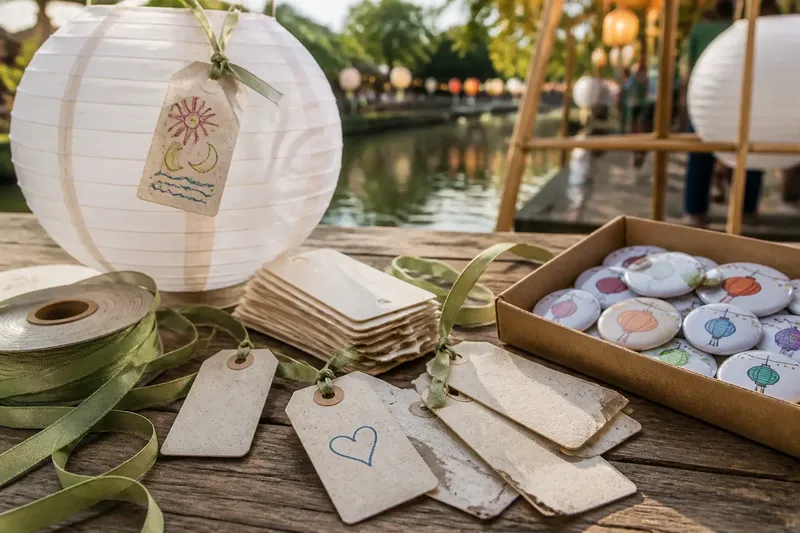
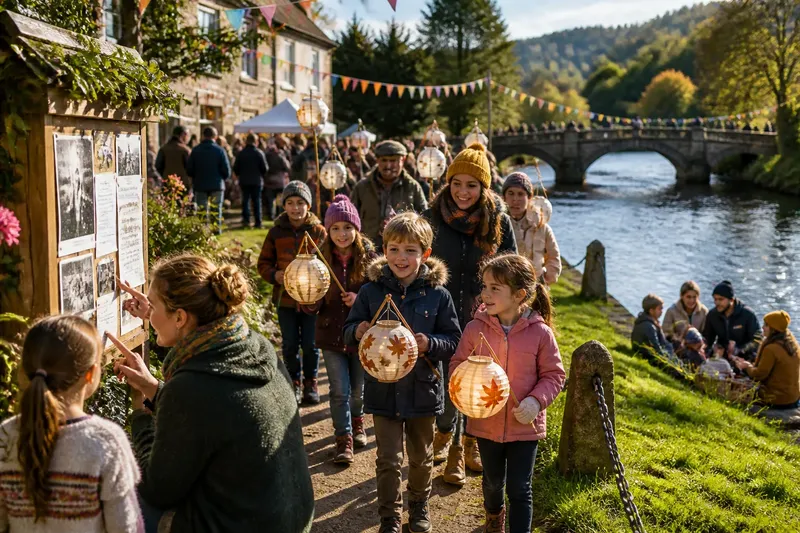
Repetition gives a practice the look of permanence. A lantern procession that returns each winter, a particular bread served at a harvest gathering or a handmade badge pinned on each year can seem to have always been there, especially to someone who first encountered it as a child.
But familiarity is not a reliable record. People may remember the event without knowing when a detail was introduced, and a confident phrase such as “we’ve always done this” often means “this is how I remember it being done”. The distinction matters: memory describes attachment, while history asks about origins and change.
Festival language can add to the confusion. Words such as “traditional” and “old-fashioned” may signal a mood or a style rather than a documented past. A brass band, a borrowed folk tune and paper decorations made by local children may sit together at one gathering without sharing a common history.
How can you trace a festival custom’s age?
Start with a modest question: what is the earliest account you can actually find? Look at old programmes, community newsletters, photographs, local library collections and minutes from an organising group. Captions and dates can help place an image, though a photograph alone may not explain who chose the practice or why.
Ask people who have taken part across different generations, but treat recollections as one kind of evidence rather than a final verdict. One volunteer may remember a song arriving with a new choir director; another may recall hearing it from a grandparent. Both memories can be sincere while pointing to different versions of the custom.
It helps to separate three questions that are often bundled together:
- When did this form begin? A broad activity, such as gathering for a seasonal meal, may be much older than the festival’s present menu or setting.
- Who introduced or changed it? An organiser, school group, faith community, local maker or visiting performer may have shaped the version people know.
- What does it mean to participants now? The current meaning may differ from the reason the practice first appeared.
Those questions avoid the false choice between “ancient” and “made up”. Many customs have layered beginnings: an older gesture can acquire a new song, route or purpose, then become familiar in its altered form.
What is the difference between inherited, adapted and revived customs?
An inherited custom is passed between people or generations, though the details may shift. A family recipe brought to a public feast, for instance, can be shared beyond its original household and become part of a neighbourhood’s seasonal gathering. Inheritance describes a line of transmission, not an unchanged object preserved in a glass case.
An adapted custom keeps some recognisable element while changing its form or context. A procession once limited to a particular street might include a nearby square after the festival grows, or a shared meal might add dishes from newer residents. The adaptation is not a footnote; it is part of how the custom continues to make sense.
A revived custom returns after a break, often through remembered accounts, archived material or a deliberate community project. Revival is not the same as seamless survival. People deciding which details to restore, reinterpret or leave aside are making choices in the present, even when they are working with old material.
A new custom begins when people establish a practice and repeat it with shared intent. It may start with a practical reason—a place to welcome newcomers, a way to mark the changing season or a public moment of thanks—and acquire emotional weight as people return to it. Newness need not make it shallow, and age alone does not make a custom meaningful.
How should a revived or adapted practice be described?
Use language that gives people room to understand both the practice and its history. “A local tradition that began with the festival’s organising group” is clearer than “an ancient rite” when there is no evidence for the latter. If the origins are uncertain, say so plainly rather than filling the gap with a grand story.
Imagine a village gathering where organisers introduce a candlelit walk along the river after an old photograph prompts discussion of past winter outings. They describe it in the programme as a new walk inspired by local memories, invite residents to suggest a route and review the wording after hearing from people who use the riverside. The observable result is not proof of an ancient custom; it is a shared practice with its starting point and choices made visible.
When an existing practice belongs to a particular community, ask who has the standing to explain or alter it. A festival committee may be able to decide the layout of its own event, but that does not automatically make it the right body to rename a practice associated with a faith, cultural group or family. Listening and attribution are more useful than claiming ownership of a custom because it appears on a public programme.
In a small festival team, a short note in the programme or on a noticeboard can record what is known: who proposed the practice, what it draws on and what remains uncertain. Keep the wording proportionate. A careful sentence can tell visitors more than an elaborate origin tale that nobody can substantiate.
What questions help visitors understand a custom?
How can I tell whether a festival custom is old?
Look for dated programmes, photographs, local archives and accounts from participants, then compare what each source can actually establish. A custom may be old in one form and recent in another, so ask about the particular song, route, dish or object rather than treating the whole festival as one unchanging practice.
Can a recently created practice become a tradition?
Yes: a practice can become a tradition as people repeat it, teach it to newcomers and attach shared meaning to it. Calling it recent is not a criticism; it simply tells visitors that the practice has a traceable beginning rather than a distant, unverified past.
What if nobody agrees on when a custom began?
Record the different recollections and distinguish memory from documentary evidence. If the starting point remains unclear, describe the uncertainty without forcing a single origin story; disagreement can reveal that the custom has changed across households, groups or generations.
Should a festival keep a custom that no longer suits the community?
Organisers can invite the people most affected to discuss what the practice means now and whether they want it changed, paused or replaced. A custom’s age should not settle that decision on its own; its present effects and the wishes of those connected to it deserve attention.
How can organisers leave room for new traditions?
Make a small, clear space for proposals rather than presenting the programme as a finished inheritance. A noticeboard at the community hall, a conversation after a planning meeting or a box for written suggestions can let people offer a song, shared toast, craft activity or seasonal gesture without promising that every idea will become permanent.
If an idea is tried, explain its purpose and invite responses afterwards. A new feature might be welcomed by some and awkward for others; organisers can listen, adjust its timing or wording, and decide whether to repeat it. The decision to continue should come from the people who gather, not from pressure to brand every successful moment as “tradition”.
Keep a modest record for future organisers: a programme, a photograph with a useful caption, the name of the group that proposed the activity and a note about later changes. Such records help the next team tell the difference between what was inherited and what they themselves are choosing to carry forward.
The myth that every festival custom is ancient can make change seem like a loss, when change is often how a gathering stays connected to its neighbours. To understand a custom, ask who practises it, how it arrived and what people want it to mean now. That account gives a new or revived practice something more durable than an impressive legend: a place in the community’s ongoing story.